UN80 Initiative
A sub-identity for the UN80 Initiative, the United Nations' system-wide reform effort.
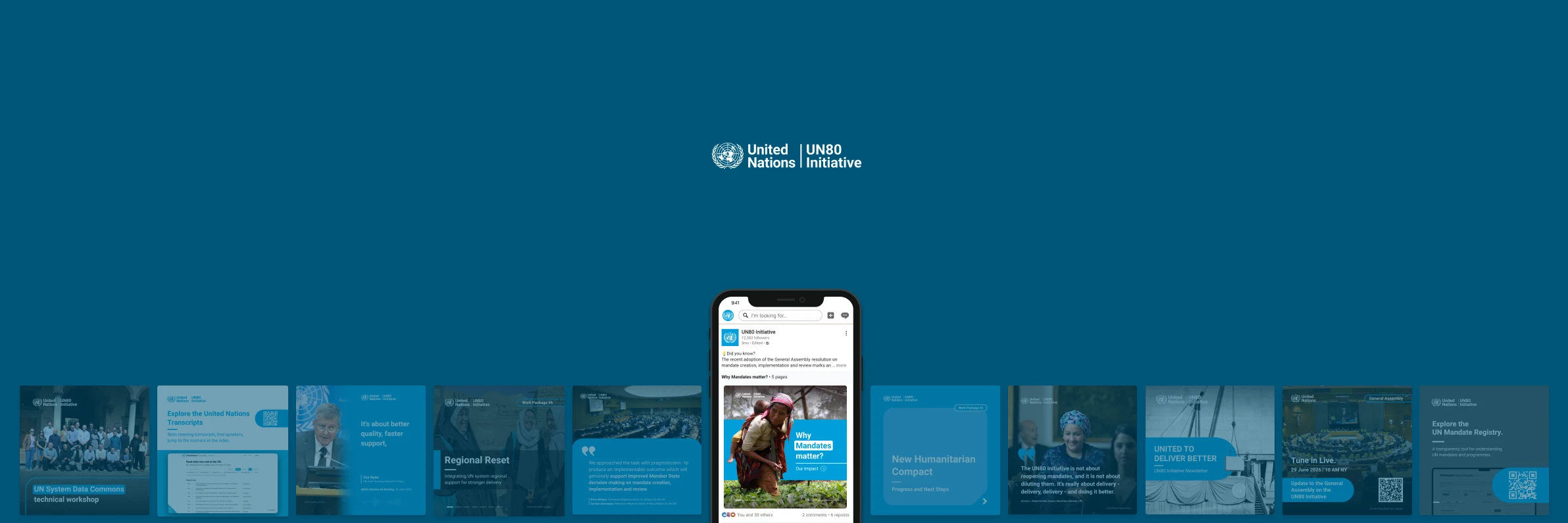
Designed a distinct visual identity for the UN80 Initiative that lived inside the United Nations' master brand, turning dense reform content into plain-language, on-brand communication its audiences could easily follow.
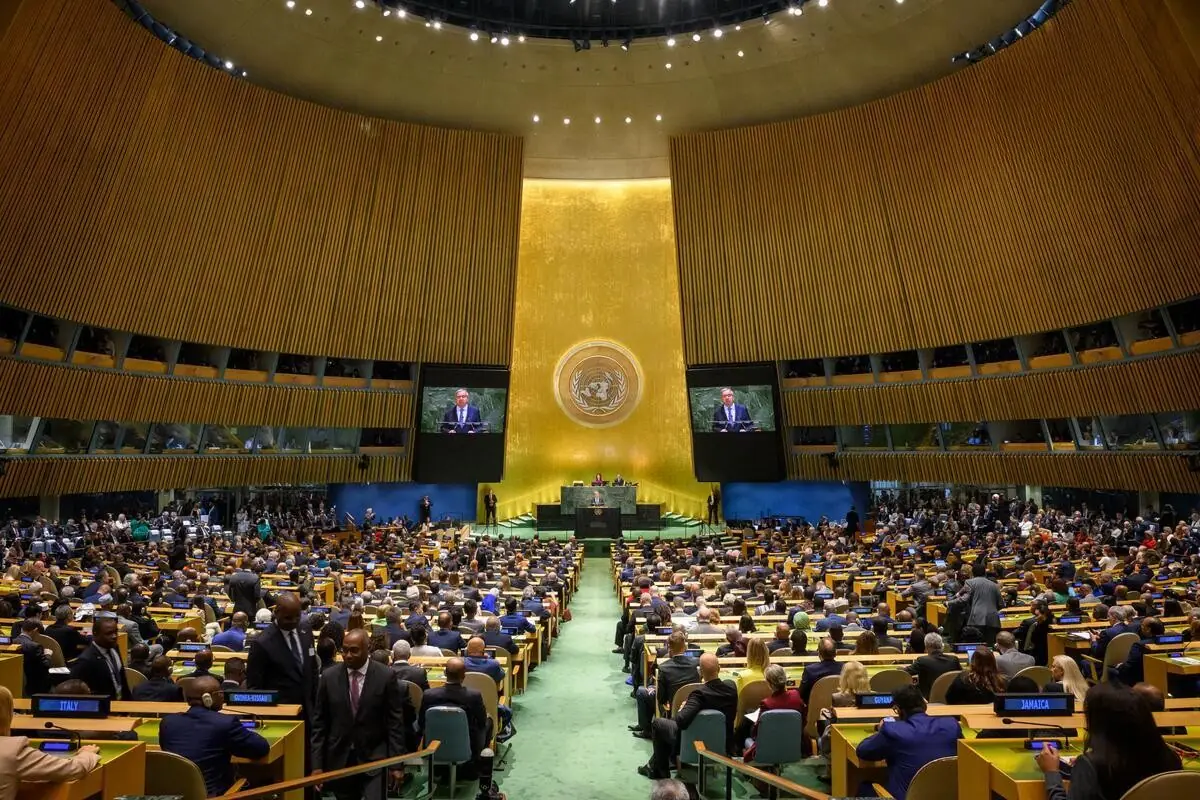
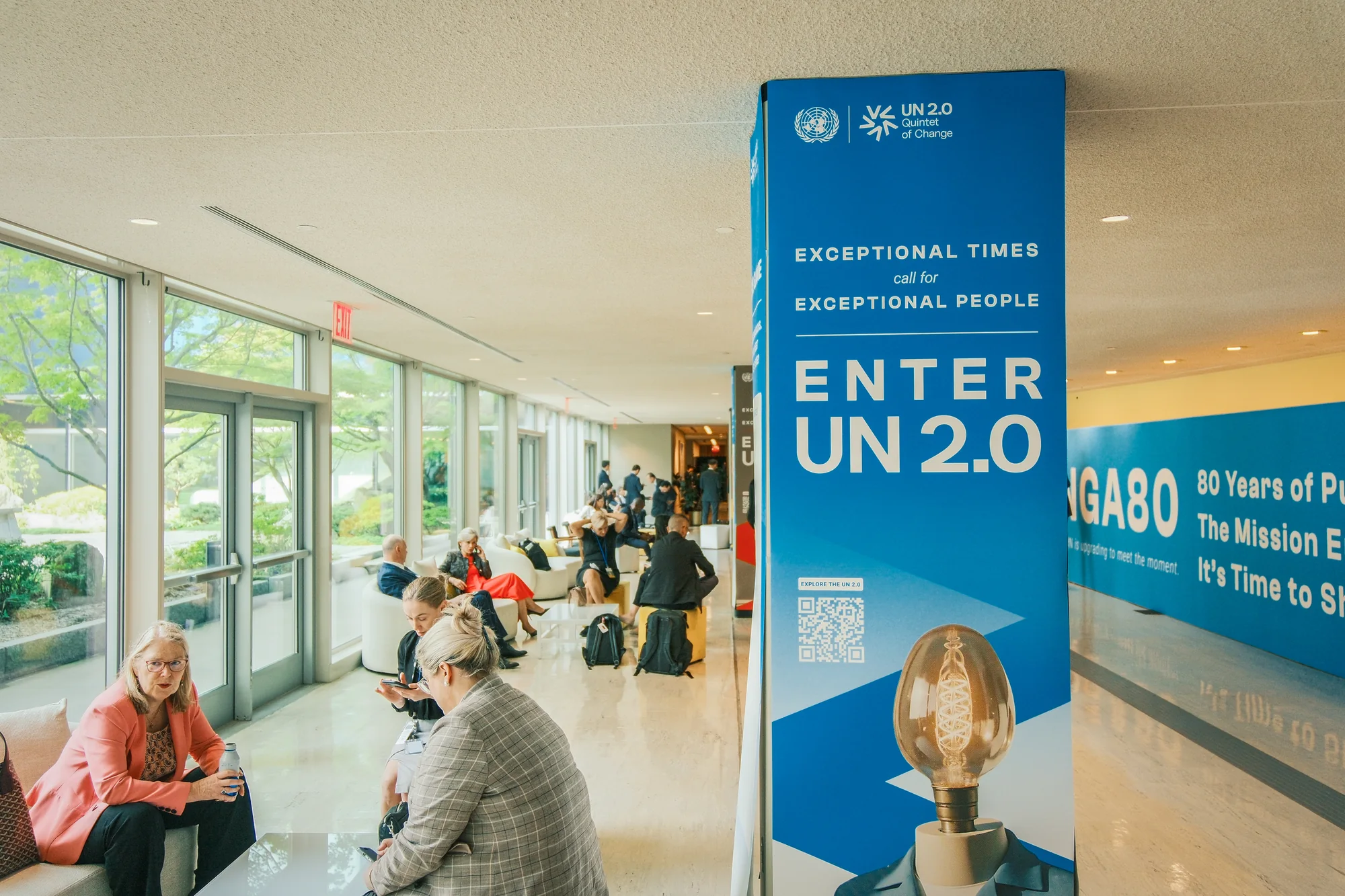
Photo credit: UN Photo/Loey Felipe
How might we make institutional reform something people can actually follow?
No identity
The initiative had a website, but no brand to make it recognisable as UN80. The identity had to be built first, before any content or channels could follow.
Complex by nature
Reform is dense by default. The text needed distinct visuals alongside it to make the content easier to digest.
Multiple channels
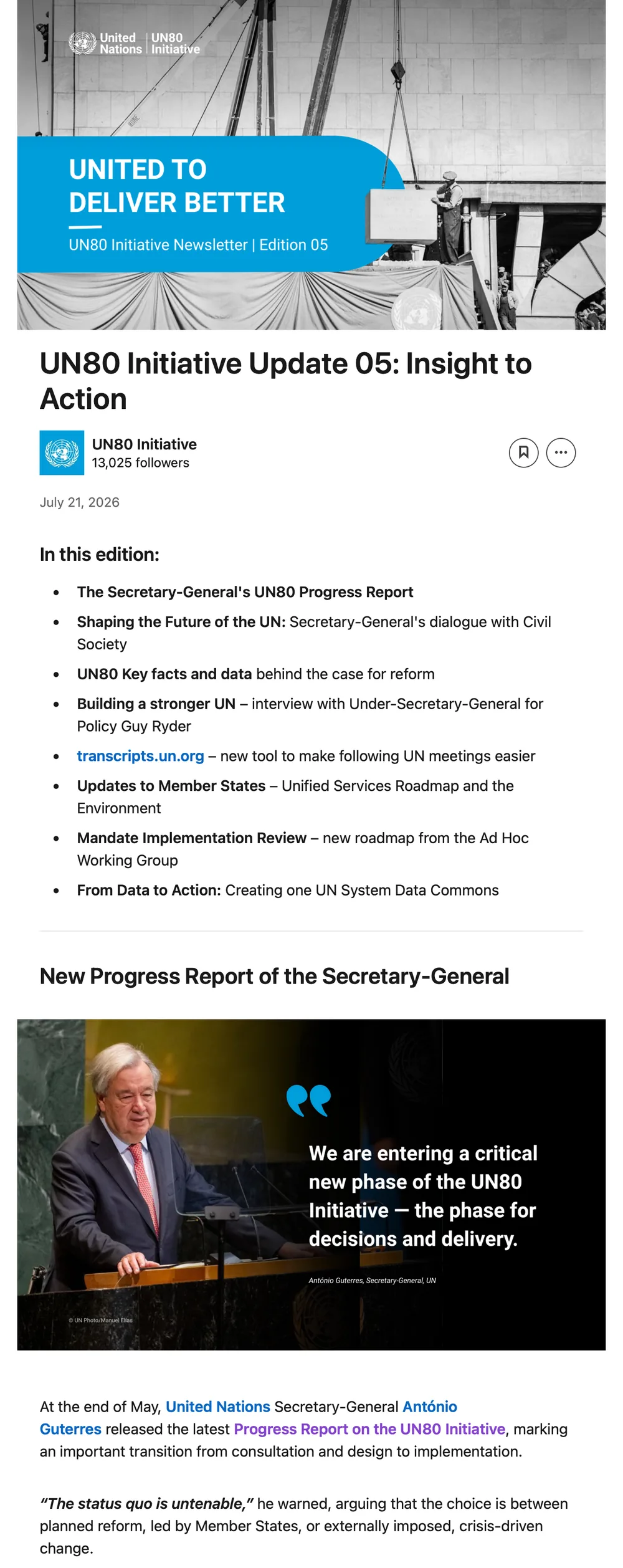
The identity had to work across the web, the social feed and the inbox, each with its own format, not one asset stretched to fit all three.
Four varied audiences
The initiative answers to Member States, who lead the process; to civil society; to entities across the UN system; and to the general public, invited in through LinkedIn and the newsletter.
The constraint
The UN's blue and typography are non-negotiable and centrally governed. Any new identity had to live inside them, not replace them.
The UN80 layer stays entirely within the UN's master brand, including the colour system and type, with additional visual elements, making it recognisable.
Primary logo
The initiative's name locked to the UN wordmark by a divider rule, so UN80 always reads as part of the institution, never beside it.
Colour palette
Typography
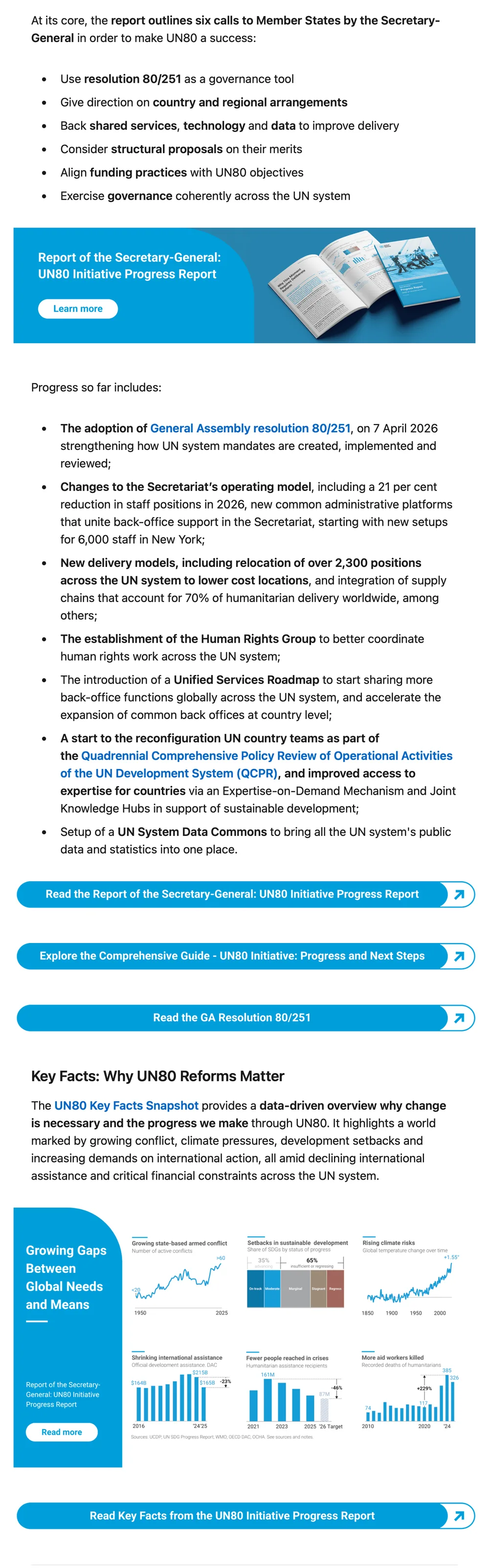
A template system including quote cards, announcements, did-you-knows, end cards, short motion pieces and more, translating complex institutional content into more accessible and engaging content.
The templates are built around structural simplicity. Each holds a single idea in a simple, repeatable frame, giving dense reform content room to be read instead of competing with it.
View the LinkedIn page
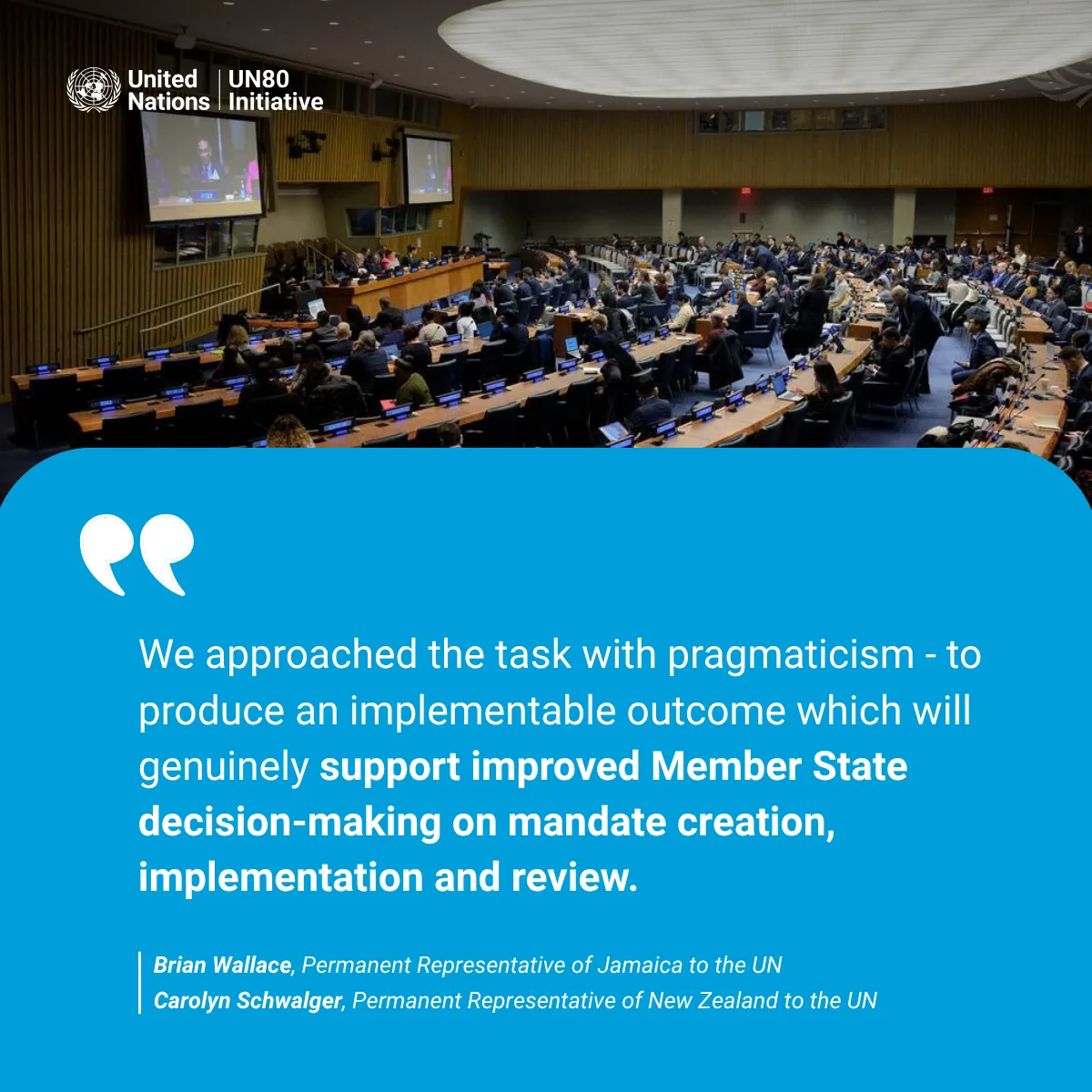
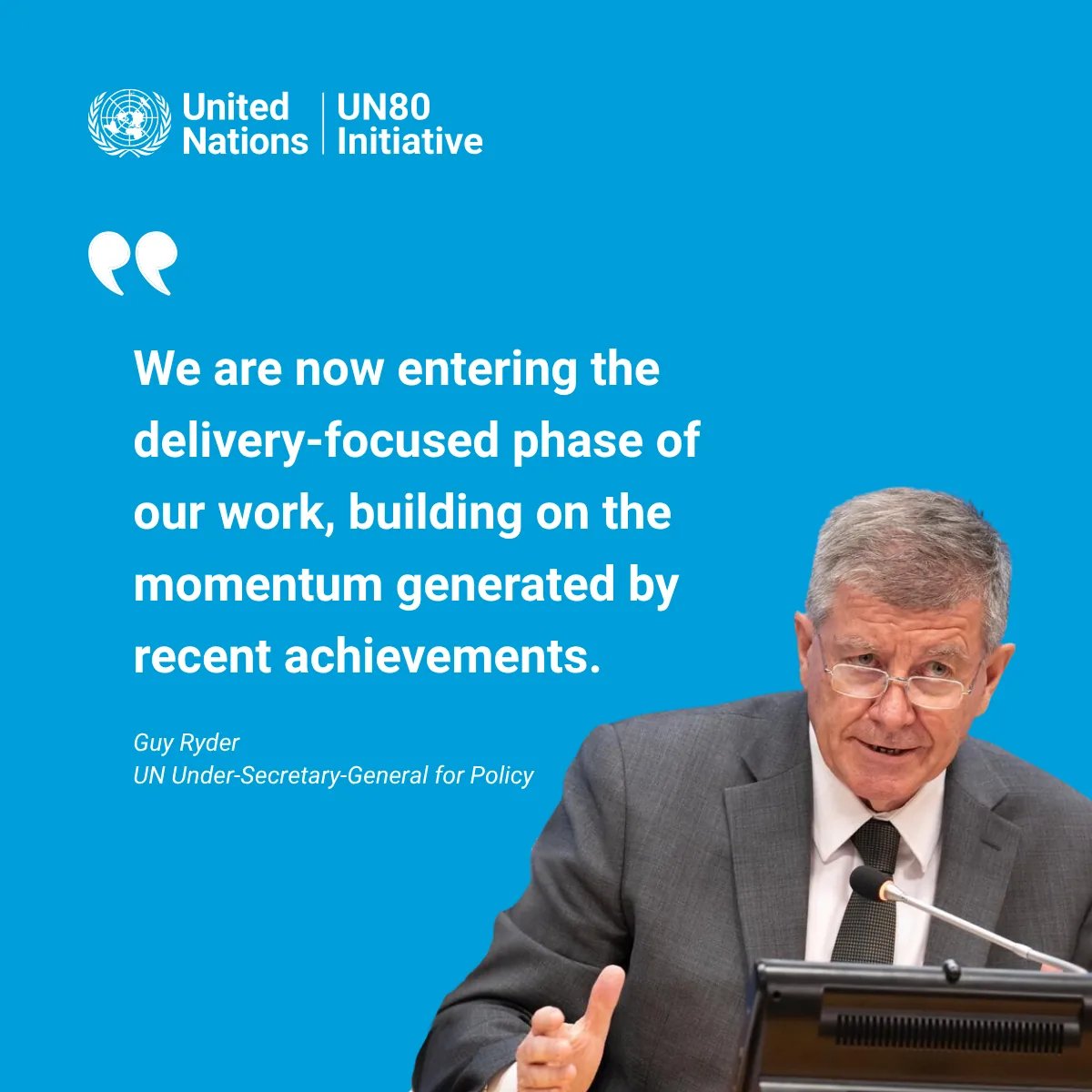
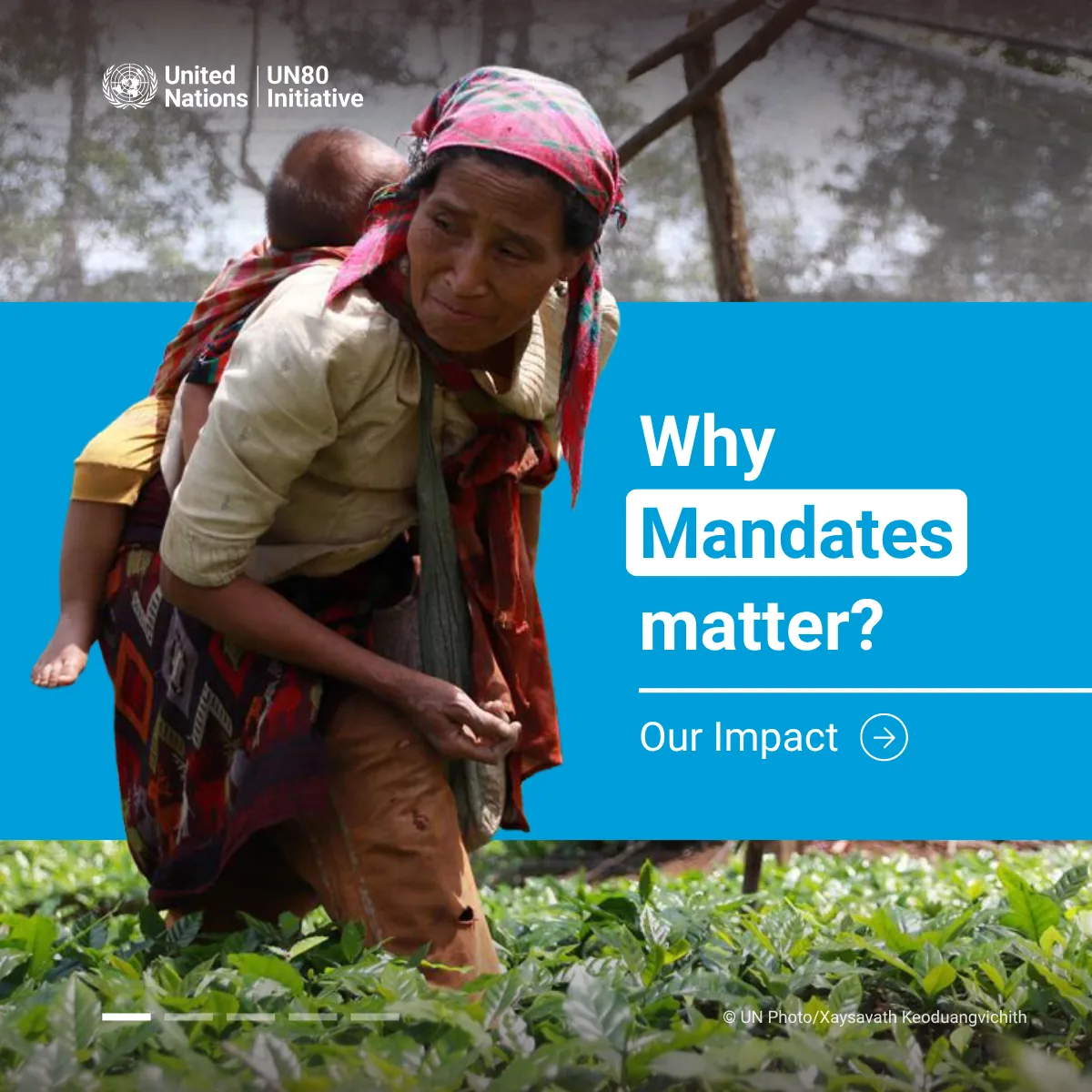
The website served two purposes: it introduces a system-wide reform to the general public, and stands as the resource centre for Member States, the UN system, press and partners.
Structured around the reader's questions: what this is, why it matters, what's changing, and where to go next.
View the website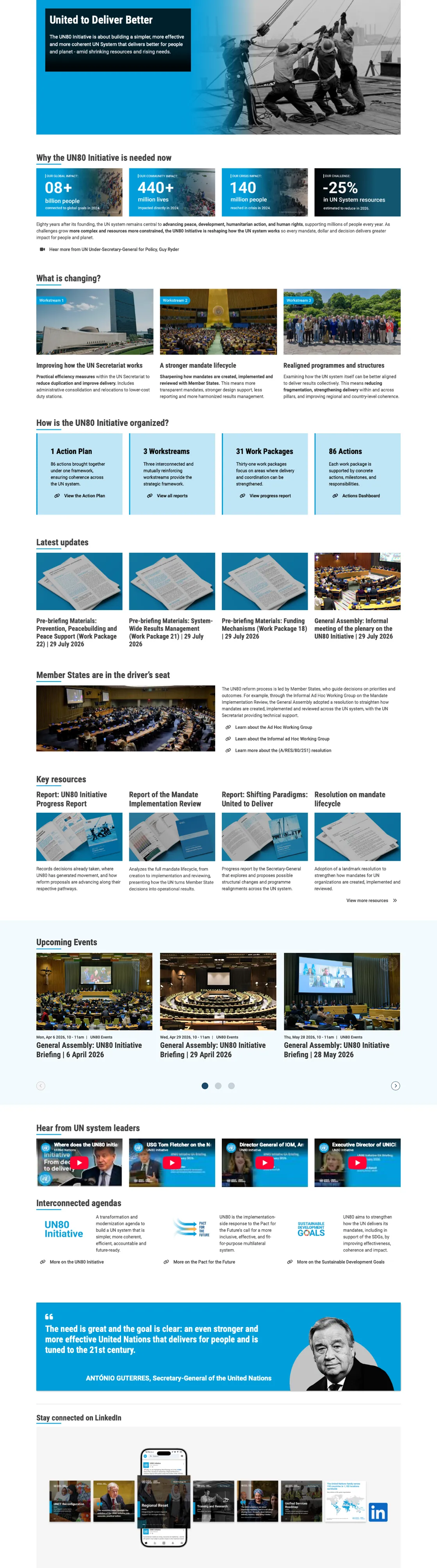
Built on Drupal 11.0.0
The challenge of building a visual identity for the initiative was not layering it on top of the UN's foundational identity, but designing a visual language whose job was to make things clearer. What the project really needed to deliver was a system that made a complex institution easier to understand for its wide audience, across every channel.